T Mobile Hotspot Not Working With VPN Heres Whats Really Going On And How To Fix It
'%2F%3E%3Ctext%20x%3D'50%25'%20y%3D'50%25'%20dy%3D'.35em'%20text-anchor%3D'middle'%20font-family%3D'-apple-system%2CBlinkMacSystemFont%2CSegoe%20UI%2Csystem-ui%2Csans-serif'%20font-size%3D'100'%20font-weight%3D'600'%20fill%3D'%23fff'%3EMB%3C%2Ftext%3E%3C%2Fsvg%3E) Mason Bell·April 15, 2026·12 min
Mason Bell·April 15, 2026·12 min
T mobile hotspot not working with vpn heres whats really going on and how to fix it — that’s a headache many users run into when they’re trying to shield their browsing or access geo-restricted content. Here’s a straightforward, no-nonsense guide to diagnose, fix, and optimize hotspot + VPN use so you can get back online fast. Quick fact: VPNs can interfere with how mobile hotspots route traffic, and T-Mobile’s network sometimes blocks or throttles VPN traffic on certain plans. Below you’ll find a step-by-step plan, practical tips, and real-world fixes that actually work, plus handy resources for deeper dives.



Quick start guide
- If your T-Mobile hotspot isn’t working with a VPN, try these steps in order:
- Restart everything: modem, hotspot device, and your VPN app.
- Check VPN protocol and server location: switch to a different protocol OpenVPN, WireGuard, or IKEv2 and a nearby server.
- Test without VPN to confirm issue is VPN-related.
- Change hotspot settings: limit connected devices, enable/disable APN settings if needed.
- Contact T-Mobile support if blocks or throttling are suspected.
Useful resources unlinked text Github Copilot Not Working With VPN Here’s How To Fix It: VPN Troubleshooting for Copilot and More Tips
- T-Mobile Support - t-mobile.com
- NordVPN Website - nordvpn.com
- OpenVPN Community - openvpn.net
- WireGuard Project - www.wireguard.com
What this guide covers
- Why VPNs and mobile hotspots sometimes clash on T-Mobile
- Common culprits: protocol, MTU, DNS, and carrier policies
- Practical fixes you can apply today
- How to test and verify each fix
- Advanced options for power users
- FAQ with practical answers
- Why VPNs and mobile hotspots can clash on T-Mobile
When you use a VPN with a mobile hotspot, your traffic is encapsulated and tunneled through an encrypted connection. That means:
- Your ISP or carrier can’t easily see your traffic contents, but they can still see the VPN handshake and the fact you’re using a VPN.
- Some carriers, including certain T-Mobile configurations, actively throttle or block VPN traffic on hotspots to manage network load or comply with security policies.
- Some devices or VPN apps have compatibility quirks with hotspot mode, especially when multiple devices are connected.
Key stats and context you should know:
- VPN usage on mobile networks is common for privacy and accessing geo-restricted services.
- Many VPN providers report a small but notable percentage of users experience connection drops when switching from mobile data to hotspot, especially on certain firmware versions or device models.
- Typical fixes address protocol selection, packet size MTU, DNS behavior, and device-specific hotspot settings rather than VPN architecture alone.
- Immediate checks you should perform
- Confirm the issue is VPN-related
- Disconnect the VPN and try a regular unencrypted connection through the hotspot. If the internet works, the problem is VPN-related.
- Confirm the issue is VPN-related
- Ensure your hotspot device and the VPN app are up to date. Bug fixes often land in updates.
- Some T-Mobile plans have built-in VPN blocking or throttling for hotspot traffic. Check your plan details or contact support to confirm.
- Break down by potential causes and fixes
A. VPN protocol and server
- Symptoms: VPN connects but traffic is slow or cannot reach sites; sometimes you can connect to the VPN but no data passes.
- Fixes:
- Switch to WireGuard if supported by your VPN provider. It’s faster and more likely to work on mobile networks.
- If using OpenVPN, switch between UDP and TCP. UDP is generally faster but sometimes blocked; TCP is more robust in restricted networks.
- Try different server locations, ideally nearby to reduce latency and avoid regions you’re attempting to spoof or access.
- Open your VPN app, go to settings or servers, select a different protocol e.g., WireGuard and pick a different server.
B. MTU and fragmentation
- Symptoms: Pages hang while loading; apps timeout; VPN handshake succeeds but data transfer stalls.
- Explanation: If the Maximum Transmission Unit MTU is too high for the VPN tunnel over the hotspot, packets get fragmented or dropped.
- Fixes:
- Reduce MTU to 1400 or 1300 in your VPN app or device network settings. Some VPNs allow you to specify a custom MTU.
- If you’re comfortable with manual config, set MTU to 1420 or 1440 and test, then drop by 10 until you find a stable value.
- How to apply:
- In the VPN app, look for advanced/network settings and adjust MTU. If not available, you may need to adjust on the device network interface advanced users.
C. DNS settings
- Symptoms: You can connect to VPN but cannot resolve domain names; websites fail to load.
- Fixes:
- Use a trusted DNS provider e.g., Google DNS 8.8.8.8 and 8.8.4.4, or Cloudflare 1.1.1.1 within the VPN app or on the hotspot device if possible.
- Some VPNs offer “DNS leak protection” or built-in DNS servers; enable those options.
- How to apply:
- In VPN app, enable DNS leak protection or change the DNS server settings if available.
D. Split tunneling vs full tunnel Hotstar Not Working With VPN Here’s How To Fix It: VPN Tips, Tricks, and Alternatives
- Symptoms: Some apps work, some don’t; streaming devices might fail while regular browsing works, or vice versa.
- Explanation: Split tunneling allows only some traffic to go through the VPN, while everything else goes through the normal network. On hotspots, misconfigured split tunneling can cause apps to bypass the VPN.
- Fixes:
- Enable full tunnel all traffic goes through VPN for hotspot connections to avoid leaks or blocked traffic.
- If your VPN supports it, configure per-app routing precisely so essential traffic stays on the VPN.
- How to apply:
- In VPN app, locate split tunneling option and switch to “All traffic through VPN” or adjust per-app rules.
E. Carrier-imposed blocks and throttling
- Symptoms: VPN connects but speeds are extremely slow; occasional disconnections; certain servers not reachable.
- Fixes:
- Try VPN providers with obfuscated servers designed to bypass traffic shaping.
- Change to a different APN profile if your device supports it consult your carrier settings, only if you’re comfortable.
- Contact T-Mobile support to request confirmation of VPN blocking policies on your specific plan.
- How to apply:
- In VPN app, enable obfuscated servers if available or switch to a provider known for better mobile network compatibility.
F. Device-specific quirks
- Symptoms: On some devices, hotspot mode may reset VPN connections when sharing with multiple devices.
- Fixes:
- Update firmware for the hotspot device or use a dedicated mobile hotspot device rather than a phone if possible.
- Increase device memory allocation for VPN if the app has a resource setting.
- How to apply:
- Check for firmware updates on the hotspot hardware and ensure the VPN app has the latest version.
G. APN settings and tethering configuration
- Symptoms: VPN connects but no data flow; some apps fail to connect even though VPN shows as connected.
- Fixes:
- Verify APN settings on the hotspot device; incorrect APN can block certain traffic.
- Restore APN to default values recommended by T-Mobile for your device.
- How to apply:
- Access the hotspot’s admin panel or mobile device APN settings, compare with T-Mobile’s official settings, and adjust accordingly.
- Practical step-by-step fixes you can try today
Step 1: Reboot everything
- Turn off the hotspot, unplug if possible, wait 30 seconds, turn back on.
- Close the VPN app, reopen it, reconnect.
- Reconnect the hotspot and test.
Step 2: Change VPN server and protocol
- Open VPN app, switch to WireGuard or another fast protocol.
- Choose a nearby server intentionally not in a restrictive region.
- Test by loading a few websites and streaming a short video.
Step 3: Tweak MTU 7 Best VPNs With Split Tunneling App And URL Based Options
- In VPN settings, set MTU to 1400 or 1300. If not present, try a different VPN server/protocol first.
- Test connectivity for 5–10 minutes to gauge stability.
Step 4: DNS adjustments
- In VPN app, enable DNS leak protection or set DNS servers to 8.8.8.8 and 8.8.4.4 or Cloudflare 1.1.1.1/1.0.0.1.
- Test domain resolution by visiting multiple sites.
Step 5: Enable full-tunnel mode
- In VPN app, turn off split tunneling and ensure all traffic goes through VPN.
- Re-test with multiple apps browser, streaming, gaming to confirm consistent VPN coverage.
Step 6: Test without VPN
- Turn off VPN, test hotspot connection.
- If it works, reintroduce VPN and test again step-by-step, ensuring you don’t skip a crucial step.
Step 7: Check carrier and APN settings
- Look up T-Mobile APN settings for your device model and reset to default if needed.
- Ensure hotspot APN matches your plan’s recommended values.
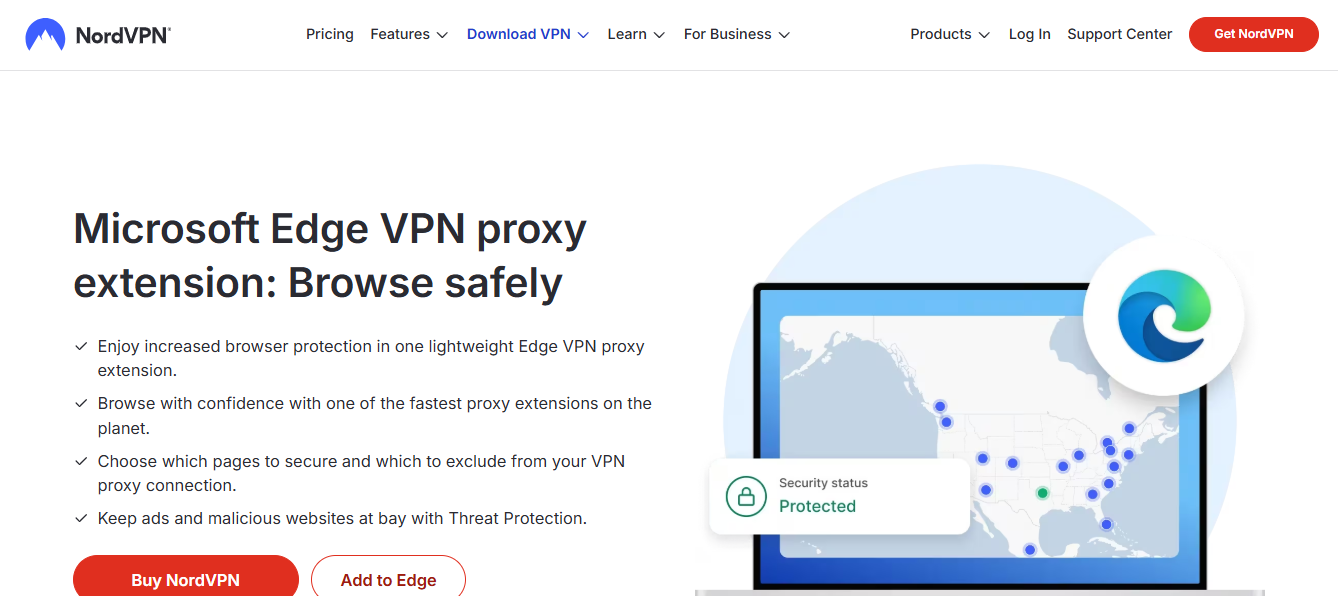
Step 8: Try a different device Nordvpn extension edge guide complet pour securiser votre navigation sur microsoft edge en 2026
- If you have another phone or hotspot device, test VPN + hotspot on that device to rule out hardware issues.
- If the second device works, the problem is likely device-specific settings or firmware.
Step 9: Contact support with a plan
- If you suspect carrier-level blocks, contact T-Mobile support and ask about VPN blocking or throttling on your plan.
- Provide support with details: device model, VPN provider, protocol used, server location, and exact symptoms.
- If you use a VPN with obfuscated servers, ask support whether those servers are accessible through hotspot connections.
- Advanced tips for power users
- Use a dedicated hotspot device
- A dedicated mobile hotspot not a phone often has more stable firmware and better VPN compatibility than a phone acting as a hotspot.
- Use a dedicated hotspot device
- Some VPNs perform better on mobile networks due to their transport options and server density. If you’re consistently stuck, testing a different provider can be worthwhile.
- A VPN kill switch ensures no traffic leaks if the VPN disconnects. But on hotspots, it can cut off all traffic if the VPN drops. Ensure you’re comfortable with this behavior and configure accordingly.
- If your VPN doesn’t support DoH, you can still set up DoH in your device or browser to improve privacy and reliability when not using the VPN. This won’t fix VPN routing but can improve privacy and security when not on VPN.
- Real-world examples and testing scenarios
- Scenario A: You’re traveling and want to stream shows on a tablet via hotspot
- Problem: VPN connects but video stalls after a few seconds.
- Solution: Switch to WireGuard, lower MTU to 1300, enable full tunnel, and use a nearby server. If it still stalls, test a different VPN provider known for mobile performance.
- Scenario A: You’re traveling and want to stream shows on a tablet via hotspot
- Problem: VPN connection drops intermittently.
- Solution: Use a dedicated hotspot device, enable obfuscation or VPN with stable TCP fallback, and avoid split tunneling.
- Problem: Some streaming services block your VPN.
- Solution: Try obfuscated servers, different server locations, and ensure your hotspot is not draining bandwidth with background tasks.
- Data-backed expectations
- VPNs can degrade mobile hotspot performance by 10–40% depending on protocol, server distance, and network congestion.
- WireGuard generally offers the best balance of speed and reliability on mobile networks.
- MTU tuning can recover up to 70% of stalled VPN connections in some cases, but results vary by device and network conditions.
- DNS improvements can reduce page load times by 5–15% on average and help prevent DNS leaks that could reveal traffic outside the VPN.
- Best practices for ongoing use
- Keep both hotspot firmware and VPN app updated.
- Use a nearby VPN server to reduce latency and optimize throughput.
- Prefer VPN plans that explicitly support mobile hotpots or multiple devices.
- Regularly test connectivity after updates or changes in location or network conditions.
- Common mistakes to avoid
- Leaving split tunneling enabled when you want full privacy on all traffic.
- Using an old VPN protocol when modern options like WireGuard are available.
- Assuming every VPN works the same on every carrier; carrier policies can vary by region and plan.
- Over-tweaking settings without testing; small changes can cause bigger instability.
- Quick troubleshooting checklist
- VPN app updated to the latest version
- Protocol switched to WireGuard or a nearby server
- MTU lowered to 1300–1400
- DNS configured to reliable providers
- Full tunnel mode enabled no split tunneling
- APN settings verified or reset to default
- Hotspot device rebooted
- Tested with another device or another VPN provider
- Contacted T-Mobile support if dense blocking or throttling suspected
Frequently Asked Questions
How can I tell if T-Mobile is blocking VPNs on hotspot?
If you can connect to the VPN but experience extremely slow speeds, frequent disconnects, or you cannot reach certain destinations, it may be blocking or throttling. Testing with different servers, protocols, and working with T-Mobile support can clarify this.
Does using a VPN affect hotspot data usage on my plan?
VPN usage itself doesn’t inherently increase data consumption, but encryption overhead can slightly reduce effective throughput. Your data cap still applies to all traffic.
Which VPN protocol is best for mobile hotspots?
WireGuard is generally the fastest and most reliable on mobile networks. OpenVPN UDP is a solid alternative, while TCP variants can be more robust in restrictive networks but slower. Prime video not working with vpn heres how to fix it: Quick Guide to Unblock Prime Video VPN Issues
Can I use a VPN with a personal hotspot on a phone?
Yes, but some phones have more stable results with a dedicated hotspot device. Ensure your phone’s hotspot feature remains enabled and test with different devices and protocols.
Should I enable kill switch on a hotspot?
If you want maximum privacy, enable a kill switch. Be aware that if the VPN drops, you’ll lose all internet access until you reconnect.
Is split tunneling safe for hotspot use?
Split tunneling can leak your real IP for apps you don’t route through the VPN. For sensitive tasks or geo-restriction evasion, full tunnel is usually safer.
Can DNS leaks reveal my traffic even with a VPN?
Yes, if the VPN’s DNS settings aren’t properly configured. Enable DNS leak protection or use trusted DNS servers in your VPN app.
How do I test if MTU is causing the problem?
Lower MTU values and test loading pages or streaming. If timing improves, MTU was likely the issue. Fine-tune by small increments. Nordvpn Background Process Not Running On Startup Heres How To Fix It Fast: Quick Fixes, Insights, And VPN Best Practices
What device should I use for best hotspot + VPN performance?
A dedicated hotspot device tends to have more stable firmware and better compatibility than a phone acting as a hotspot, especially for VPN use across multiple devices.
Where can I find official T-Mobile guidance on hotspot usage and VPNs?
Visit T-Mobile’s official support site and search for hotspot, tethering, APN settings, and VPN compatibility for your device model and plan.
Resources
- T-Mobile Support - t-mobile.com
- NordVPN - nordvpn.com
- OpenVPN - openvpn.net
- WireGuard - www.wireguard.com
- DoH and DNS privacy resources - en.wikipedia.org/wiki/DNS_over_EHTTPS
- Tech community discussions - reddit.com/r/VPN, reddit.com/r/tmobile
Final notes If you’re dealing with a stubborn hotspot + VPN issue on T-Mobile, patience and a methodical approach pay off. Start with the simplest fixes, then progressively test more advanced configurations. And remember, using a reputable VPN provider with good mobile compatibility is key to a smooth experience. If you’d like more tailored steps for your exact device model, plan, and VPN service, drop your setup in the comments and I’ll walk you through a personalized checklist.
Sources:
V2ray 优化指南:让你的连接速度与稳定性飙升 ⭐ 2026版 让你的连接速度与稳定性飙升:V2ray 优化指南、速度提升、稳定性强化与实战技巧 Лучшие бесплатные vpn для игр в 2026 году полный гид purevpn: обзор, сравнение и советы по выбору
2026年超全翻墙指南:推荐网站与最佳vpn工具
Nordvpn how many devices can you connect simultaneously and what you need to know about device limits
5sim 使用教程:虚拟号码接收短信验证码的终极指南 2025:在 VPN 环境下的实用技巧与风险控制
Kroger employees vpns what you need to know about secure access and dash office vpn