7 Best VPNs With Split Tunneling App And URL Based Options
'%2F%3E%3Ctext%20x%3D'50%25'%20y%3D'50%25'%20dy%3D'.35em'%20text-anchor%3D'middle'%20font-family%3D'-apple-system%2CBlinkMacSystemFont%2CSegoe%20UI%2Csystem-ui%2Csans-serif'%20font-size%3D'100'%20font-weight%3D'600'%20fill%3D'%23fff'%3ESR%3C%2Ftext%3E%3C%2Fsvg%3E) Sebastian Romero·April 15, 2026·13 min
Sebastian Romero·April 15, 2026·13 min
7 best vpns with split tunneling app and url based options: split tunneling lets you choose which apps or URLs go through the VPN and which don’t, giving you speed for local services while staying protected online. Quick fact: most people use split tunneling to stream on a VPN while keeping local banking apps unprotected for faster access. Here’s a practical guide that covers top choices, pricing, platforms, and how to set it up, plus real-world tips and a few nerdy details you’ll actually use.


- Why you’ll care about split tunneling: save bandwidth, improve performance, and control security on a per-app basis.
- What you’ll learn: the best VPNs for split tunneling, how to configure app-based and URL-based rules, platform specifics Windows, macOS, Android, iOS, and common gotchas.
- Quick-start checklist: choose a VPN with robust split tunneling, verify server options, test with a few apps, and keep your firmware and apps updated.
Useful resources text only, not clickable: Apple Website - apple.com NordVPN Help - nordvpn.com/help VPN Split Tunneling Guide - en.wikipedia.org/wiki/Virtual_private_network Windows 11 Network Settings - support.microsoft.com Android VPN Settings - support.google.com Security Best Practices - nist.gov Online Privacy Guide - we.wordpress.com/privacy-guide
Why split tunneling matters for VPN users
Split tunneling gives you control. You can route sensitive traffic like banking or work apps through the VPN for encryption, while letting other traffic go directly to the internet for speed. It’s especially handy when:
- You stream a show from a geo-restricted service but want to keep your torrent client off the VPN.
- You play online games locally while keeping background updates from the VPN tunnel.
- You work remotely and need secure access to corporate resources while leaving non-work apps unencrypted for speed.
Top features to look for in a VPN with split tunneling:
- App-based split tunneling: choose which apps use the VPN.
- URL-based split tunneling: route specific domains through or outside the VPN.
- Per-app exceptions and global modes.
- Clear rules and easy toggling.
- Cross-platform compatibility Windows, macOS, Android, iOS, Linux.
- Transparent logging policies and strong encryption.
How to choose the best VPN with split tunneling
| Factor | What to look for |
|---|---|
| Number of servers | More locations = better access and speed. |
| Split tunneling granularity | App-based and URL-based options give you flexibility. |
| Platform support | Ensure your devices are covered Windows, macOS, Android, iOS. |
| Connection speed | Look for fast protocols WireGuard, OpenVPN and low latency. |
| Security features | Kill switch, DNS leak protection, and robust encryption. |
| Privacy policy | No-logs commitment and independent audits if possible. |
| Price and value | Compare plans, check for student or annual discounts, and trial periods. |
VPNs that excel at split tunneling: overview
- NordVPN
- App-based and URL-based split tunneling on supported platforms, with a straightforward interface.
- Strengths: large server network, strong security, reliable performance.
- Considerations: some advanced features require a bit of digging in settings.
- ExpressVPN
- Known for user-friendly split tunneling setup and consistent speed across servers.
- Strengths: fast, stable, and a polished app experience.
- Considerations: price is on the higher end, but performance tends to offset the cost.
- Surfshark
- Budget-friendly with robust split tunneling and easy-to-use options.
- Strengths: unlimited device connections, solid privacy stance.
- Considerations: some servers can be slower during peak times; test your favorite locations.
- Proton VPN
- Strong emphasis on privacy and transparent policies; good for advanced users.
- Strengths: reliable security features and clear split tunneling controls.
- Considerations: interface can be a bit more technical.
- CyberGhost
- User-friendly with good split tunneling support and a wide server list.
- Strengths: approachable for beginners, solid speeds.
- Considerations: logging policy and long-term value should be reviewed.
- Private Internet Access PIA
- Mature VPN with granular split tunneling options.
- Strengths: highly configurable, great for power users.
- Considerations: pricing and interface feel a bit dated to some.
- VyprVPN
- Strong performance and flexible split tunneling with their Chameleon protocol.
- Strengths: reliable connections and good app controls.
- Considerations: fewer servers than the biggest players.
Deep dive: features, setup, and use cases
NordVPN: split tunneling at a glance
- Platforms: Windows, macOS, Android, iOS, Linux.
- App-based split tunneling: easy to configure by app.
- URL-based rules: supports domain-level routing to the VPN.
- Quick setup: install, go to Settings > Split Tunneling, select apps, and add domains as needed.
Use case examples:
- Route your banking app through the VPN, while streaming on Netflix via your regular connection.
- Ensure work communication apps stay on the VPN while browser traffic remains local for faster browsing.
ExpressVPN: a smooth, fast option
- Platforms: Windows, macOS, Android, iOS, Linux, routers.
- Split tunneling: straightforward, with per-app rules.
- URL rules: flexible domain routing to the VPN network.
Setup tips:
- Start with a single app rule to understand behavior, then expand.
- Test streaming or gaming performance after enabling split tunneling to ensure optimal speed.
Surfshark: value and simplicity
- Platforms: Windows, macOS, Android, iOS, Linux, browser extensions.
- App-based split tunneling: easy to configure, with clear toggles.
- URL-based control: route specific domains to or away from the VPN.
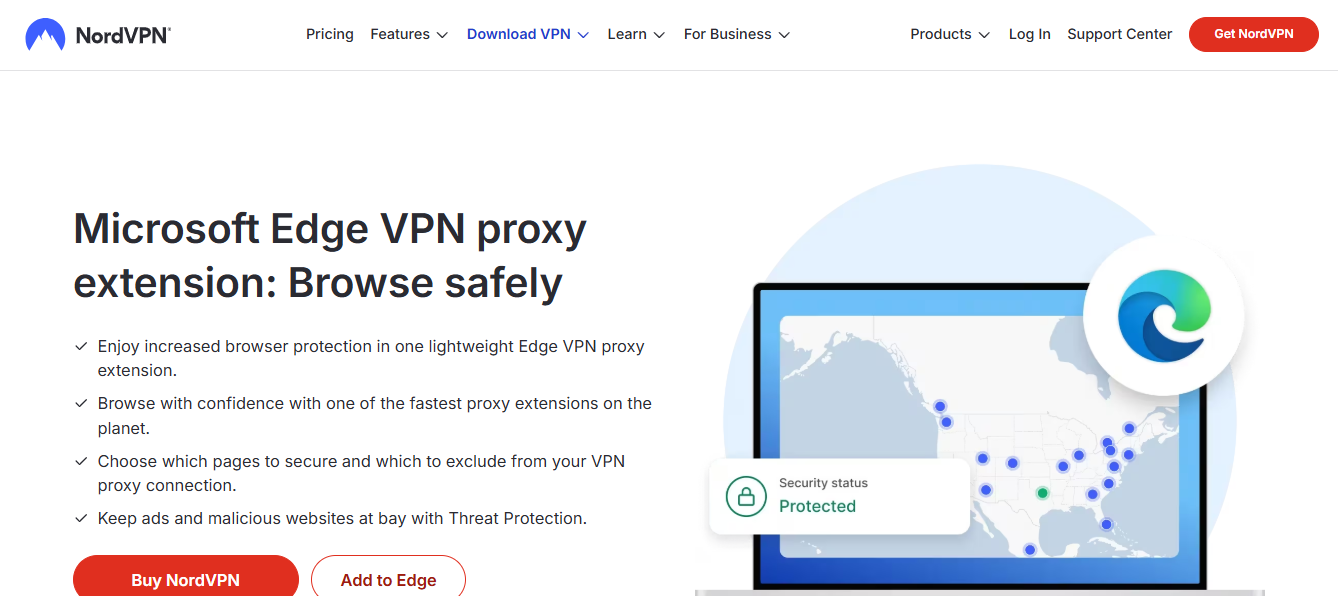
Tips: Nordvpn extension edge guide complet pour securiser votre navigation sur microsoft edge en 2026
- Use unlimited devices to test at home—install on your router or main devices.
- Combine with CleanWeb to block ads while on VPN traffic for a cleaner experience.
Proton VPN: privacy-first option
- Platforms: Windows, macOS, Android, iOS.
- Split tunneling: strong privacy controls; good for tech-savvy users.
- DNS and leak protection: built-in to prevent IP leaks.
Best practices:
- Use Secure Core for extra routing protection if you’re on a high-risk connection.
- Regularly review domains that you route through VPN to avoid accidental leaks.
CyberGhost: beginner-friendly
- Platforms: Windows, macOS, Android, iOS.
- Split tunneling: intuitive, with guided setup.
- World-class customer support and a long-standing reputation.
How to use:
- Create a profile for streaming, with VPN on for specific apps and off for others.
- Keep performance tests handy to ensure your usual apps stay responsive.
PIA: power-user flexibility
- Platforms: Windows, macOS, Android, iOS, Linux.
- Granular control: many options for both app and URL-based routing.
- Solid performance across many server locations.
Tips:
- Create separate profiles for different tasks work vs. personal use.
- Regularly audit your rules to keep them up to date with app updates.
VyprVPN: reliable routing
- Platforms: Windows, macOS, Android, iOS.
- Split tunneling: compatible with VyprVPN’s own protocol and standard options.
- Performance: steady speeds on multiple servers.
Practical tips:
- Use the Chameleon protocol when you’re on restrictive networks.
- Pair with per-app rules to ensure critical apps stay protected.
Step-by-step guide: setting up split tunneling on common platforms
Windows
- Install your chosen VPN.
- Open the app, go to Settings > Split Tunneling or equivalent.
- Add apps to route through the VPN or exclude from it.
- If your provider supports URL-based rules, add domains you want routed through or around the VPN.
- Save and reconnect; test with a few apps to confirm behavior.
macOS
- Install the VPN app.
- Navigate to Preferences > Split Tunneling.
- Configure app-based rules and domain-level routing if available.
- Confirm by running a quick bandwidth/latency test.
Android
- Install the VPN app.
- Open Settings within the app and enable Split Tunneling.
- Add apps or domains to your routing rules.
- Test with a browser and a streaming app to verify.
iOS
- iOS support for split tunneling is more constrained. If supported by your VPN, you’ll find it in the app settings under Split Tunneling.
- Ensure you have the latest iOS and app updates for best compatibility.
Best practices and potential pitfalls
- Test thoroughly: after setting up, test with a few different apps and sites to confirm traffic behaves as expected.
- Be mindful of DNS leaks: enable DNS leak protection to avoid exposing your real IP.
- Keep rules simple: overly complex rules can cause conflicts and slow down performance.
- Regular updates: both the VPN app and your OS should be up to date to avoid security gaps.
- Privacy policy: verify that your chosen VPN respects your privacy and has a solid no-logs posture.
Real-world scenarios: example configurations
Scenario 1: You’re a streamer who wants VPN protection while gaming, but you need your streaming software to work at full speed without VPN latency. Prime video not working with vpn heres how to fix it: Quick Guide to Unblock Prime Video VPN Issues
- App-based: VPN on for the gaming client; VPN off for streaming software and browser.
- URL-based: route game servers through VPN, allow streaming platforms to bypass.
Scenario 2: You work remotely and need secure access to company resources, but want your personal social media apps outside the VPN to maximize speed.
- App-based: VPN on for work-related apps; VPN off for social media and personal mail apps.
- URL-based: domain-based routing to ensure corporate apps use VPN paths.
Scenario 3: You live in a country with restrictive networks and want to keep some apps on VPN for privacy while others stay local for speed.
- App-based: critical privacy apps through VPN; less sensitive apps off the VPN.
- URL-based: limit VPN to trusted domains to avoid general slowdown.
Performance considerations and data
- Speed impact: a well-configured split tunneling setup minimizes performance loss for non-VPN traffic.
- Latency effect: some apps may experience minor latency changes; test and adjust rules accordingly.
- Server load: pick nearby servers to reduce latency for VPN-protected traffic.
Security considerations when using split tunneling
- The main risk is unprotected traffic leaking through non-VPN routes. Use a kill switch and DNS leak protection.
- Always review app lists and domain rules after major app updates.
- Consider a dedicated device or router-level VPN for consistent protection if you’re uncertain about app-level rules.
Cost and value
- The best value often comes from providers with flexible split tunneling plus a robust server network.
- Look for annual plans with perks like multi-device support, money-back guarantees, and student discounts if applicable.
- Free options may have limitations on split tunneling or data caps; for reliable results, paid plans usually win.
Quick comparison: what to know at a glance
- NordVPN: strong all-around, reliable split tunneling, great server network.
- ExpressVPN: smooth experience, excellent performance, straightforward setup.
- Surfshark: budget-friendly, broad device support, simple UI.
- Proton VPN: privacy-forward, solid for advanced users.
- CyberGhost: beginner-friendly with good split tunneling options.
- PIA: highly configurable for power users.
- VyprVPN: stable performance with user-friendly controls.
Tips for optimizing your setup
- Start simple: configure one or two app rules first, then expand as needed.
- Verify after every change: run speed tests and check for IP leaks.
- Use a kill switch: ensures traffic stops if the VPN drops.
- Monitor updates: new app versions can alter routing behavior.
- Document your rules: keep a small note of why you routed certain apps or domains in a particular way.
Frequently asked questions
What is split tunneling in a VPN?
Split tunneling is a feature that lets you choose which apps or websites domains use the VPN connection and which don’t, allowing you to balance security with speed.
Can I use both app-based and URL-based split tunneling at the same time?
Yes. Many VPNs offer both, letting you apply per-app rules and per-domain rules for maximum flexibility.
Is split tunneling safe for banking apps?
It can be, if you route only non-sensitive traffic through the VPN and keep banking apps on the VPN with robust protections enabled. How to Log Everyone Out of NordVPN: Quick Guide, Tips, and Best Practices
Do all VPNs support split tunneling on all platforms?
No. Platform support varies; Windows and Android typically have broader support than iOS, which can be more limited due to OS restrictions.
Will split tunneling slow me down?
Not necessarily. If configured well, non-VPN traffic can run at native speed while VPN-protected traffic remains secure, with minimal impact.
How do I test split tunneling after setup?
Run speed and latency tests on both VPN-protected and unprotected traffic. Check for DNS leaks and verify your real IP for unprotected sites.
Can I disable split tunneling temporarily?
Absolutely. Most VPNs let you toggle split tunneling on or off quickly, so you can test performance with or without it.
Do I need a kill switch with split tunneling?
Yes. A kill switch helps ensure that if the VPN drops, all traffic is halted, preventing leaks from unprotected routes. How to Put Surfshark VPN on Your TV Unlock Global Streaming Boost Privacy
Are there any risks using URL-based split tunneling?
URL-based rules can be tricky, as some domains use multiple subdomains or CDNs. Regular monitoring helps prevent misrouting.
How do I choose the best VPN for split tunneling?
Consider platform coverage, ease of setup, granularity of rules, server count, speed, and the provider’s privacy stance.
Can split tunneling be used with routers?
Yes, some VPNs offer router-level split tunneling, which can provide broad coverage for all devices on your home network.
What should I do if I notice IP leaks?
Check DNS settings, ensure kill switch is enabled, verify route rules, and consider updating or changing servers.
How often should I review my split tunneling rules?
Review whenever you install major app updates or if you notice slower performance or unexpected traffic routing. Urban vpn edge extension how to use guide and best features explained
Are there any networks where split tunneling is not recommended?
On networks you don’t fully trust or in high-risk environments, you may want all traffic protected by the VPN, unless you have a strong, trusted setup.
Which VPN has the best balance of speed and split tunneling control?
Many users find NordVPN, ExpressVPN, and Surfshark to be reliable for a balance of performance and flexible split tunneling options.
Can I set up per-domain rules for streaming services?
Yes, many VPNs support domain-based routing to optimize streaming while keeping other traffic separate.
Is it possible to recover a misconfigured split tunneling setup?
Yes. Simply reset to default settings and reconfigure step by step, testing after each change to avoid cascading issues.
How do I know if my VPN supports URL-based split tunneling?
Check the provider’s official docs or support pages. If it’s a feature, it will be listed under split tunneling or routing options. Hotstar Not Working With VPN Here’s How To Fix It: VPN Tips, Tricks, and Alternatives
Frequently Asked Questions
- What is split tunneling?
- How do I configure app-based split tunneling?
- Can I route specific websites through the VPN?
- Is split tunneling safe for online banking?
- Do iOS devices support split tunneling?
- How do I test split tunneling after setup?
- What should I do if I experience DNS leaks?
- Can I use split tunneling on multiple devices?
- How does split tunneling affect streaming quality?
- Which VPN is best for split tunneling on Windows?
Note: This content is designed to be informative and practical for YouTube viewers and readers interested in VPNs with split tunneling app and URL-based options. It provides a thorough overview, practical steps, and real-world examples to help you pick, configure, and optimize the best VPN for your needs.
Sources:
2026年最佳免费美国vpn推荐:安全解锁,畅游无界!让你省钱又放心的VPN指南
Cisco vpn client 与 VPN 使用全指南:提升隐私与连接稳定性的实用方案
免费翻墙:全面攻略与实用工具,帮助你安全浏览与保护隐私 Github Copilot Not Working With VPN Here’s How To Fix It: VPN Troubleshooting for Copilot and More Tips
Nordvpn fur Streaming So holst du das Beste Aus Deinen Abos Raus – Ultimative Anleitung 2026
Proton vpn issues whats going wrong how to fix it: Proton VPN Issues Whats Going Wrong How to Fix It Guide