Vpns proxies and zscaler whats the difference and do you need them
'%2F%3E%3Ctext%20x%3D'50%25'%20y%3D'50%25'%20dy%3D'.35em'%20text-anchor%3D'middle'%20font-family%3D'-apple-system%2CBlinkMacSystemFont%2CSegoe%20UI%2Csystem-ui%2Csans-serif'%20font-size%3D'100'%20font-weight%3D'600'%20fill%3D'%23fff'%3EMG%3C%2Ftext%3E%3C%2Fsvg%3E) Matteo Galli·April 12, 2026·12 min
Matteo Galli·April 12, 2026·12 min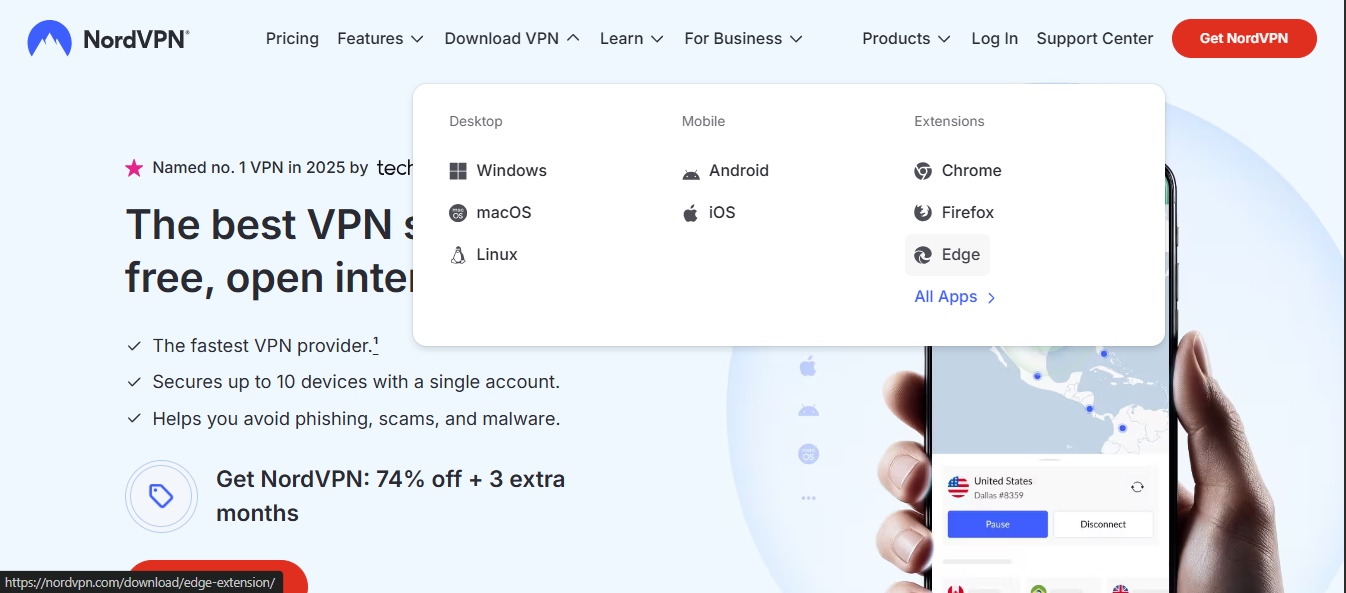
Vpns proxies and zscaler whats the difference and do you need them: A Clear Guide to VPNs, Proxies, and Zscaler for Everyday Use
Vpns proxies and zscaler whats the difference and do you need them? Here’s a quick, straight answer: they’re all tools to help you access the internet more securely or privately, but they’re used in different scenarios and carry different trade-offs. If you just want the short version: use a reliable VPN for privacy and online security, use a proxy when you need to bypass simple geo restrictions or tests, and consider Zscaler if you’re in a business environment that requires enterprise-grade web security and traffic control. Now, let’s break it all down so you can pick what fits your needs.


Quick fact: Vpns, proxies, and Zscaler all sit between your device and the internet, but they’re built for different tasks. This guide will show you when to use each, how they work, and what to look for in a real-world setup. We’ll cover:
- What VPNs, proxies, and Zscaler actually do
- Pros and cons of each option
- Typical use cases for individuals and organizations
- A practical decision guide to help you choose
- Common myths and misconceptions
- Quick-start steps to get started safely
Useful URLs and Resources text only Apple Website - apple.com Artificial Intelligence Wikipedia - en.wikipedia.org/wiki/Artificial_intelligence NordVPN affiliate - url not clickable here but you can find it through the provided link in the intro ExpressVPN affiliate - url not clickable here but you can find it through the provided link in the intro Zscaler - zscaler.com Proxied Access - example.com VPN Security Best Practices - en.wikipedia.org/wiki/Virtual_private_network Geo Restrictions Bypass - example.org
What is a VPN, and how does it work?
- A VPN Virtual Private Network creates an encrypted tunnel between your device and a VPN server.
- Your traffic appears to come from the VPN server, not your device, which helps hide your IP address.
- VPNs encrypt data in transit, protect on unsecured networks like public Wi‑Fi, and can help you access content as if you were elsewhere.
How it’s useful:
- Public Wi‑Fi safety: protects sensitive info on the go.
- Privacy: reduces tracking by your ISP and some trackers.
- Access to geo‑restricted content: appears to be in the location of the VPN server.
Potential downsides:
- Some speed loss due to encryption and routing.
- Not all VPNs keep zero-logs; you need to choose a trustworthy provider.
- Some services block known VPN IPs, so access might be limited.
Quick-start for VPNs
- Choose a reputable VPN provider with good reviews and a clear privacy policy.
- Install the app on your devices.
- Pick a server location that fits your goal e.g., US for streaming, a nearby country for speed.
- Enable kill switch if offered prevents data leaks if the VPN drops.
- Test for DNS leaks, ensure your real IP isn’t leaking.
What is a proxy, and what types exist?
- A proxy sits between your device and the internet, forwarding your traffic.
- Proxies can be HTTP, SOCKS4/5, or transparent.
- They don’t always encrypt traffic, so they’re less about security and more about routing, scraping, or bypassing simple blocks.
Common use cases:
- Bypassing geo restrictions for lightweight tasks like basic browsing or testing.
- Web scraping and data collection in a controlled way.
- Anonymizing specific app traffic that supports proxy configuration.
Limitations:
- Limited or no encryption unless paired with TLS or another layer.
- IPs can be blocked if overused or detected.
- Not a comprehensive security solution.
What is Zscaler, and where does it fit in?
- Zscaler is an enterprise cloud security platform that provides secure access to the internet and private apps.
- It operates at scale for organizations, featuring secure web gateways, zero-trust access, firewall-like controls, and data loss prevention.
- It's typically deployed via a corporate policy managed by IT rather than end-user standalone setup.
Key benefits for businesses: Как использовать vpn для браузера Microsoft Edge пол: полный гид, советы и рекомендации
- Centralized policy enforcement across all devices and locations.
- Zero-trust access model: verify every request, not just the user.
- Advanced threat protection, SSL inspection, and data protection.
- Simplified management and visibility for security teams.
Common downsides for individuals:
- Not designed for personal use; requires admin access to set up and manage.
- Costs and complexity can be higher than consumer-grade solutions.
- May restrict legitimate personal use if company policies apply on a device.
VPNs vs proxies: side‑by‑side
- Security: VPNs encrypt all traffic from your device; proxies may not encrypt traffic unless used with additional measures.
- Coverage: VPNs typically route all traffic; proxies often affect only specific apps or browser traffic.
- Privacy: VPNs hide your IP from the sites you visit; proxies can reveal your IP to the proxy server and potentially the destination.
- Speed: VPNs can introduce latency due to encryption and routing, but quality providers optimize performance; proxies can be faster but less secure.
- Ease of use: VPNs are straightforward for most users; proxies require configuration per app or browser.
Table text format:
- Encryption: VPNs yes strong, Proxies typically no unless paired with TLS
- Traffic scope: VPNs system-wide, Proxies app-by-app
- Privacy protection: VPNs broad, Proxies variable
- Geo content access: Both can help, VPNs more reliable for streaming
- Setup complexity: VPNs simple, Proxies more manual
When to choose a VPN
- You want privacy and security on public networks.
- You need a reliable shield against ISP tracking.
- You’re accessing content that’s geo‑restricted and you want consistent performance.
- You’re traveling and want a safe way to connect to home or work resources.
Tips for choosing a VPN:
- Look for a strict no-logs policy, transparent audits, and reputable providers.
- Check for strong encryption AES-256, secure protocols WireGuard, OpenVPN, and a kill switch.
- Verify privacy policies and independent audits.
- Ensure the provider servers are in locations that matter to you.
- Consider device compatibility and customer support quality.
When to use a proxy
- You’re doing lightweight tasks that don’t require encryption, like quick testing or simple geo checks.
- You need to route only specific app traffic for a project or debugging.
- You’re scraping data from websites with permission and rate limits in mind.
Important cautions:
- Avoid proxies for sensitive transactions banking, login credentials unless you have additional security.
- Be mindful of legal and policy constraints for the sites you visit or datasets you access.
- Proxies can be detected and blocked more easily than VPNs.
When Zscaler makes sense
- Your organization needs enterprise-grade security, policy enforcement, and visibility.
- You want to enforce zero-trust access for remote workers and contractors.
- You need built-in threat protection, SSL inspection, and data protection on a large scale.
For individuals, Zscaler-like capabilities are often provided by employer-managed devices or subscription services integrated into a corporate environment. If you’re shopping for personal use, you’ll typically encounter consumer VPNs rather than Zscaler. Nordvpn How To Check And Confirm Your IP Address Location And Keep It Private
Security best practices for VPNs and proxies
- Always use reputable providers with strong privacy practices.
- Enable features like a kill switch and DNS leak protection.
- Regularly update software to fix vulnerabilities.
- Use multi-factor authentication where possible for account access.
- Be mindful of logging, data collection, and jurisdictions where the provider operates.
- Don’t mix insecure proxies with sensitive activities unless you know exactly what you’re doing.
Real-world scenarios and setups
Scenario 1: You’re traveling and want to stream a show from home.
- Best fit: VPN with a nearby server for decent speed and access to home streaming libraries.
- Why: Keeps your connection secure on public networks and helps you appear in your home country.
Scenario 2: You need to test a website’s geo-specific behavior.
- Best fit: Proxy for targeted testing of geo responses; VPN can work too but may introduce more latency.
- Why: Proxies let you simulate specific locations without changing entire device traffic.
Scenario 3: Your company requires secure access to internal apps from home.
- Best fit: Zscaler-like enterprise security or a company-provided VPN solution with sanctioned access.
- Why: Ensures corporate policy control, threat protection, and data loss prevention.
Scenario 4: You want rapid, lightweight anonymous browsing without caring about encryption.
- Best fit: Simple proxy could work, but you’ll miss encryption. Use with caution and for non-sensitive tasks only.
- Why: Quick routing without heavy overhead, but riskier for privacy.
How to set up a safe, practical solution
- Define your goals: privacy, access to content, or corporate security.
- Choose a primary tool: VPN for privacy and security, proxy for lightweight routing, or a business security platform if you’re part of an organization.
- Test performance: run speed tests with different servers or proxies to see what works best.
- Harden your setup: enable DNS leak protection, kill switch, and verify your real IP isn’t leaking.
- Stay informed: keep an eye on the provider’s privacy policy and any policy changes.
Common myths and misconceptions
- Myth: A VPN makes you completely anonymous online.
- Reality: It hides your IP and encrypts traffic, but it doesn’t make you invincible. Websites can still track you through fingerprints, account login data, and other methods.
- Myth: Proxies are safer than VPNs.
- Reality: Proxies don’t typically encrypt data; VPNs generally offer stronger privacy and security.
- Myth: Zscaler is a personal product and easy to install at home.
- Reality: Zscaler is an enterprise platform designed for organizational security, not a consumer product.
Comparison quick reference summary
- VPNs: System-wide encryption, private IP masking, good for privacy and secure browsing, may affect speed.
- Proxies: App- or browser-specific routing, often no encryption, quick access to geo content, less secure.
- Zscaler: Enterprise-grade security platform, policy enforcement, zero-trust access, heavy management and suitable for organizations.
Practical buying guide
- If you’re an everyday user focused on privacy and streaming: choose a reputable consumer VPN with strong privacy policy and servers in your preferred regions.
- If you’re a developer or tester needing targeted location checks: consider a reliable proxy service with good reliability and control over locations.
- If you’re part of a business: explore Zscaler or similar enterprise solutions for security, auditing, and policy enforcement.
Quick-start checklist
- Define your goals privacy, access, security
- Choose VPN, proxy, or enterprise security based on goals
- Pick reputable providers with clear policies
- Enable security features kill switch, DNS protection
- Test speeds and reliability
- Review privacy policy and data handling
- Stay compliant with laws and site terms
How to evaluate providers criteria
- Privacy policy and data retention
- Encryption standards AES-256, modern protocols
- Server locations and speed
- Kill switch and DNS leak protection
- Independent security audits
- Customer support and user experience
- Device compatibility and platform support
Final quick-start recommended setup example
- Install a trusted VPN app e.g., a well-reviewed provider on your primary devices.
- Activate a kill switch and DNS leak protection.
- Choose a server location aligned with your goal streaming, privacy, or access.
- For focused tasks, configure a proxy for specific apps only, if needed.
- If you’re in an organization, follow IT guidance for Zscaler or similar enterprise security tools.
Frequently Asked Questions
What is the main difference between a VPN and a proxy?
A VPN creates an encrypted tunnel for all traffic from your device, while a proxy forwards traffic for selected apps or browser requests, often without encryption. Softether vpn download 최신 버전 설치부터 활용까지 완벽 가이드
Do I need both a VPN and a proxy?
In most scenarios, you don’t need both. A VPN covers most privacy and security needs. Proxies are useful for targeted tasks like testing or quick routing, but they don’t replace a VPN.
Is Zscaler a consumer product?
No, Zscaler is an enterprise security platform designed for organizations to control and protect access to the internet and private apps.
Can a VPN slow down my internet?
Yes, you may experience some speed reductions due to encryption and routing. However, high-quality VPNs optimize performance to minimize impact.
Are proxies safe for everyday use?
Proxies can be convenient for quick tasks, but they don’t provide encryption. Use them cautiously, especially for sensitive activities.
How do I test if my VPN is leaking my real IP?
Run a DNS leak test and check if your IP shown on websites matches your actual IP. If it does, you may need to adjust settings or switch providers. Tiktok Not Working In China Even With A VPN Here’s The Real Reason: How To Bypass, The Truth, And How VPNs Help
What should I look for in a VPN provider’s privacy policy?
Look for data retention details, what data is logged, third-party sharing, and whether the provider undergoes independent audits.
Can I use Zscaler on my personal device?
Typically, Zscaler is deployed by employers. Some personal deployments exist in managed environments, but it’s primarily for enterprises.
What is zero-trust access?
Zero-trust access means every access request is verified, regardless of the user’s location or device, reducing the risk of unauthorized access.
How do VPNs help on public Wi‑Fi?
VPNs encrypt traffic on public networks and hide your activity from others on the same network, protecting sensitive information.
Are there legal considerations I should know?
Yes, always ensure you’re compliant with local laws and the terms of service of websites and services you use through VPNs or proxies. Whats a vpn on tiktok and do you actually need one (VPNs) — What It Is, How It Works, Pros, Cons, and Real-World Tips
Should I choose a free or paid VPN?
Free VPNs can have limits, data caps, and potential privacy concerns. Paid VPNs typically offer stronger security, better speed, and more features.
How often should I refresh or rotate servers?
If you notice slow speeds or streaming issues, rotating servers can help. Regularly test performance to pick the best location.
Can VPNs help with gaming latency?
Sometimes, yes—connecting to a nearby VPN server can reduce routing hops and improve stability, but it’s not guaranteed.
Do proxies work for streaming services?
Some proxies bypass geo restrictions for streaming, but many services actively block known proxy IPs. VPNs often provide more reliable access.
Are VPNs legal everywhere?
Most countries regulate VPN usage but are not illegal by default. Always check local laws and service terms. Browsec vpn extension for microsoft edge a comprehensive guide to enhanced browsing
What’s the best way to protect my data online?
Use a reputable VPN with strong encryption, enable a kill switch, keep software updated, and practice safe browsing habits.
Final note
If you want to explore a trusted VPN option with strong security and performance, consider trying a reputable provider. For a quick starter, you can check out the recommended services through the link in the introduction NordVPN to get a sense of what a solid VPN plan can offer.
Sources:
Letvpn 官网下载 与 VPN 使用指南:全面优化你的在线隐私与访问速度
How to see and manage devices connected to your nordvpn account
访问google服务 Vpn proxy ovpnspider 무엇이고 어떻게 사용해야 할까요: 핵심 가이드와 실전 팁
Is adguard vpn any good
Is nordpass included with nordvpn